Corporate Travel Platforms A Comprehensive Guide
Corporate travel platforms are revolutionizing how businesses manage employee travel, streamlining processes and optimizing costs. This overview delves into the intricacies of these platforms, exploring their functionalities, benefits, challenges, and future trends. We’ll examine different types of platforms, from cloud-based to on-premise solutions, highlighting their respective advantages and disadvantages. Furthermore, we’ll discuss the critical aspects of successful implementation, including security considerations and user adoption strategies.
The key functionalities of a typical corporate travel platform encompass booking, expense reporting, and policy management. These platforms often integrate with existing business systems, enhancing efficiency and providing a holistic view of travel-related data. We will analyze the cost-saving measures, employee experience enhancements, and streamlined travel processes enabled by these platforms.
Introduction to Corporate Travel Platforms
Corporate travel platforms are sophisticated software solutions designed to streamline and optimize the entire corporate travel process. They provide a centralized system for managing and controlling travel arrangements, from booking flights and hotels to expense reporting. This technology empowers companies to effectively manage travel budgets, ensure compliance with policies, and gain valuable insights into travel patterns and costs.
Key Functionalities of a Corporate Travel Platform
Corporate travel platforms offer a suite of functionalities to manage all aspects of employee travel. These platforms typically include tools for booking flights, hotels, and rental cars, often with integrated options for negotiating corporate rates. They also facilitate expense reporting, providing a secure and automated process for employees to submit and manage their travel expenses. Crucially, many platforms integrate with existing company systems, enabling seamless data exchange and efficient workflows.
Types of Corporate Travel Platforms
Corporate travel platforms can be broadly categorized based on their deployment method. Two primary types exist: cloud-based and on-premise. Understanding the differences between these deployment models is crucial for businesses to select the best platform to suit their specific needs and infrastructure.
Comparison of Cloud-Based and On-Premise Platforms
| Feature | Cloud-Based | On-Premise |
|---|---|---|
| Deployment | Hosted on a remote server maintained by a third-party provider. | Installed and maintained on the company’s servers. |
| Cost | Typically a subscription-based model, with costs often tied to usage or the number of users. Initial setup costs are usually lower than on-premise. | Higher upfront investment for software licensing, hardware, and ongoing maintenance. Ongoing costs include IT staff salaries and operational expenses. |
| Scalability | Easily scalable to accommodate fluctuating travel demands. Adding more users or features is typically a straightforward process. | Scaling can be complex and costly, requiring significant investment in additional hardware and infrastructure. |
| Security | Security is often managed by the provider, with robust security protocols in place. Data encryption and access controls are generally managed centrally. | Security is the company’s responsibility, requiring dedicated IT resources for maintenance and upgrades. Vulnerabilities can be more challenging to address due to internal management. |
Benefits of Using Corporate Travel Platforms
Corporate travel platforms are revolutionizing the way businesses manage their travel arrangements. They offer a comprehensive suite of tools that streamline the entire process, from initial booking to post-trip reporting. These platforms provide significant advantages in terms of efficiency, cost savings, and employee satisfaction.
Corporate travel platforms are designed to optimize the entire travel lifecycle. By centralizing booking, expense reporting, and policy management, companies can reduce administrative overhead and free up valuable time for their employees and travel managers. This streamlined approach translates into substantial benefits across the board.
Improved Efficiency
Corporate travel platforms automate many manual tasks, significantly improving efficiency. From automatically generating expense reports to providing real-time booking updates, these platforms reduce the time spent on tedious administrative tasks. This freed-up time allows employees to focus on their core responsibilities and reduces the likelihood of errors. For example, a company using a platform can instantly identify and correct potential overbookings or discrepancies in flight itineraries, minimizing delays and ensuring a smooth travel experience.
Cost-Saving Measures
These platforms offer numerous cost-saving opportunities. They allow for real-time comparisons of prices and services, enabling companies to negotiate better rates with suppliers. Moreover, they often offer discounted rates for bulk bookings, further reducing travel expenses. Smart algorithms within these platforms can analyze historical travel data and provide insights into optimal booking strategies, leading to further savings. For instance, if a platform notices that employees frequently fly on specific airlines, it might suggest a loyalty program or discounted fares, reducing costs.
Streamlined Travel Processes
Travel platforms facilitate a seamless travel process from start to finish. Employees can easily book flights, hotels, and other services through a centralized system. This reduces the need for multiple interactions with different providers, saving time and effort. By implementing robust travel policies within the platform, companies can ensure compliance with internal guidelines and minimize risks. This streamlined process also reduces potential delays and ensures smoother transitions between travel phases.
Enhanced Employee Experience
By providing a user-friendly interface and mobile access, these platforms enhance the employee experience. Employees can easily manage their travel arrangements on their own schedule, reducing the burden on travel agents and minimizing potential conflicts. The ability to access and track travel details in real-time improves the employee experience, ensuring peace of mind during travel. This user-friendly experience can also improve employee satisfaction and engagement, as employees appreciate the convenience and control provided by the platform.
Cost Savings Table
| Category | Savings | Description |
|---|---|---|
| Booking Fees | 10-20% | Negotiated discounts with suppliers, bulk booking discounts, and reduced administrative costs. |
| Transportation Costs | 5-15% | Real-time comparisons of fares, dynamic pricing, and optimized routing options. |
| Accommodation Costs | 8-15% | Negotiated rates with hotels, bulk booking discounts, and preferred partner programs. |
Features and Functionality

Source: co.ke
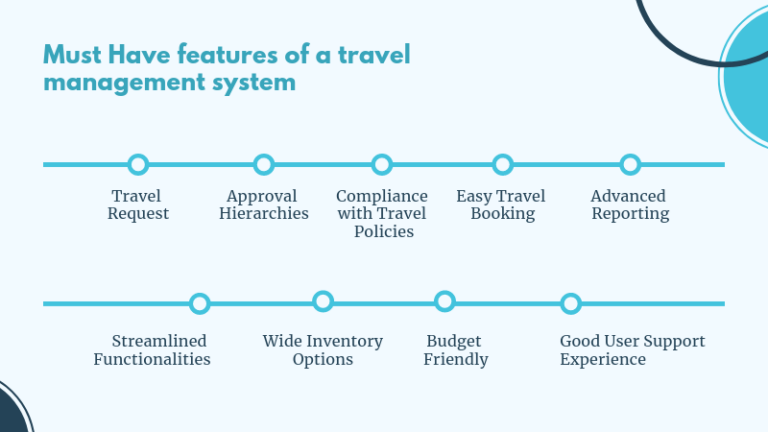
Modern corporate travel platforms offer a comprehensive suite of features designed to streamline the entire travel and expense management process. These platforms are not merely booking tools; they are integrated systems that encompass various aspects of corporate travel, from initial booking to final expense reporting. This integration significantly reduces administrative overhead and improves overall efficiency.
The essential features of these platforms go beyond basic booking capabilities. They often include robust tools for policy management, expense reporting, and integration with other business systems, enabling a seamless flow of information throughout the organization. The ability to manage travel policies, track expenses, and automate reporting is crucial for maintaining compliance and minimizing errors.
Booking Features
Corporate travel platforms provide sophisticated booking engines that facilitate the search, comparison, and selection of flights, hotels, and other travel arrangements. These platforms often integrate with various travel providers, offering users a wide range of options and competitive pricing. Advanced search filters and customizable preferences enable users to quickly find the best deals that align with company policies. Integration with loyalty programs can further optimize costs and reward employee travel. Automated alerts and reminders concerning upcoming travel dates ensure that the travel arrangements are completed and confirmed promptly.
Expense Reporting Features
Platforms excel at automating expense reporting. Users can electronically submit receipts and expenses, eliminating the need for paper-based processes. Integration with accounting systems ensures seamless data transfer and automated expense categorization. Built-in tools for expense analysis and reconciliation further aid in cost control and policy compliance. Approvals can be streamlined through digital workflows, significantly reducing processing time.
Policy Management Features
Policy management is critical for maintaining compliance and consistency in travel practices. Corporate travel platforms enable the creation and enforcement of travel policies. Policies can be tailored to specific company requirements, such as pre-approved vendors, preferred hotels, or mileage allowances. Users are informed of applicable policies and guidelines, ensuring that their travel decisions adhere to corporate standards. This feature minimizes risks and maintains brand consistency.
Integration with Other Business Systems
These platforms seamlessly integrate with other business systems, such as enterprise resource planning (ERP) systems and financial management systems. This integration streamlines data flow and ensures accurate and up-to-date information. Real-time updates across systems maintain a single source of truth for travel and expense data, reducing discrepancies and enhancing accuracy. This connectivity enables comprehensive reporting and analysis across the entire organization.
Typical Workflow for Booking and Reporting Expenses
| Step | Booking | Reporting |
|---|---|---|
| 1 | User initiates a travel request, specifying destination, dates, and travel class. | The employee submits receipts and expense details through the platform. |
| 2 | The platform searches for available options and displays relevant results, allowing the user to compare prices and options based on company policy. | The system automatically categorizes expenses according to predefined policies. |
| 3 | The user selects the desired travel arrangement and submits the booking request for approval. | The employee submits the report for review and approval by designated personnel. |
Challenges and Considerations
Implementing a corporate travel platform involves navigating various challenges, including ensuring security, complying with data privacy regulations, and fostering user adoption. Careful planning and proactive measures are crucial to a successful implementation. Choosing the right platform and addressing potential risks are essential steps to achieving the desired outcomes.
Effective corporate travel management hinges on a robust and secure platform. Addressing potential security risks, complying with privacy regulations, and ensuring user adoption are all critical factors that can significantly impact the success of the platform. Careful planning and mitigation strategies are essential to navigating these considerations effectively.
Common Implementation Challenges
Implementing a corporate travel platform often presents challenges related to user adoption, integration with existing systems, and training. Resistance to change among employees accustomed to previous methods can lead to slow adoption rates. Thorough training and communication are vital to overcoming this obstacle. Seamless integration with existing financial systems, HR software, and other company applications is also crucial to avoid data silos and maintain operational efficiency. A comprehensive understanding of the company’s specific travel policies and procedures is paramount in the selection process.
Security Risks and Mitigation Strategies, Corporate travel platforms
Corporate travel platforms handle sensitive data, making security a paramount concern. Potential threats include data breaches, unauthorized access, and fraudulent bookings. Robust security measures, such as encryption, multi-factor authentication, and regular security audits, are essential to mitigate these risks.
| Threat | Description | Mitigation |
|---|---|---|
| Data Breach | Unauthorized access and exfiltration of sensitive traveler data (e.g., credit card information, personal details). | Implementing strong encryption protocols, regular security audits, and penetration testing; utilizing a robust access control system with multi-factor authentication; employing data loss prevention (DLP) tools. |
| Unauthorized Access | Access to the platform by individuals without proper authorization, potentially leading to data manipulation or misuse. | Implementing strict access controls with roles and permissions, enforcing multi-factor authentication, and regularly monitoring user activity for suspicious patterns. |
| Fraudulent Bookings | Bookings made by unauthorized individuals or with fraudulent intent, leading to financial losses and reputational damage. | Implementing robust booking verification processes, employing advanced fraud detection systems, regularly monitoring booking patterns for anomalies, and implementing clear policies regarding expense reporting and reimbursement. |
Data Privacy and Compliance
Data privacy and compliance are crucial for maintaining trust and avoiding legal repercussions. Organizations must adhere to relevant regulations like GDPR, CCPA, and others, ensuring that traveler data is collected, processed, and stored securely and transparently. Transparency about data practices and obtaining explicit consent from travelers are vital components of compliance.
Training and User Adoption
Proper training and communication are vital for successful user adoption. Clear guidelines, comprehensive training materials, and ongoing support are essential for users to understand the platform’s functionalities and maximize its benefits. Addressing concerns proactively and offering personalized support will significantly improve the user experience and contribute to faster adoption.
Platform Selection and Business Needs
Selecting a corporate travel platform that aligns with specific business needs is crucial. Careful consideration of factors like scalability, reporting capabilities, and integration options is essential. A platform should support the company’s specific travel policies, budget constraints, and reporting requirements. Thorough research and pilot testing of the chosen platform are crucial for ensuring a smooth transition and achieving the desired outcomes.
Future Trends in Corporate Travel Platforms

Corporate travel platforms are constantly evolving, adapting to changing business needs and technological advancements. This evolution is driven by a confluence of factors, including the rise of remote work, growing sustainability concerns, and the integration of cutting-edge technologies. These trends are reshaping how companies manage and optimize their travel programs, impacting everything from booking efficiency to environmental responsibility.
Emerging Technologies
Technological advancements are profoundly impacting corporate travel platforms. Artificial intelligence (AI) is automating tasks like flight and hotel searches, optimizing routes, and even predicting potential disruptions. Machine learning algorithms analyze historical data to suggest optimal travel arrangements, reducing costs and improving efficiency. Automation is also streamlining the entire travel process, from booking to expense reporting, enhancing accuracy and reducing manual effort. Companies like Amadeus and Sabre are integrating AI and automation into their platforms to offer more intelligent travel solutions.
Sustainability Concerns
Sustainability is increasingly influencing corporate travel choices. Companies are prioritizing eco-friendly options, such as carbon offsetting programs and the use of sustainable transportation. Corporate travel platforms are adapting to these concerns by providing users with options for sustainable travel, including filters to identify eco-conscious hotels and transportation alternatives. The rise of electric vehicles and the growth of public transport are prompting companies to encourage the use of these options, further promoting sustainability in corporate travel. Companies like Booking.com are incorporating sustainability metrics into their search algorithms to help users identify greener travel options.
Adapting to Remote Work and Hybrid Models
The shift toward remote work and hybrid models has altered corporate travel patterns. Corporate travel platforms are evolving to support these changes by offering more flexible booking options and enabling remote employees to easily manage their travel arrangements. This includes providing tools for managing expenses and ensuring that travel policies are adaptable to the hybrid work environment. Companies are increasingly using platforms to track and analyze employee travel patterns, enabling them to understand travel needs and optimize their travel budgets.
Personalized Travel Experiences
Personalized travel experiences are becoming increasingly important. Corporate travel platforms are utilizing data to tailor travel arrangements to individual employee preferences, such as preferred airlines, hotel brands, and dining options. This personalized approach leads to a more satisfying and efficient travel experience, fostering employee satisfaction and loyalty. Companies can also leverage this data to identify trends in employee travel patterns and tailor their travel policies accordingly.
Role of Mobile Apps
Mobile apps are playing a pivotal role in the future of corporate travel. These apps provide employees with convenient access to travel booking, expense reporting, and policy information anytime, anywhere. The rise of mobile-first strategies is pushing corporate travel platforms to optimize their mobile offerings. This includes features like real-time updates on flight and hotel information, streamlined expense reporting, and the ability to manage travel arrangements directly from a smartphone or tablet.
“The future of corporate travel will be characterized by increased automation, personalized experiences, and a strong focus on sustainability. Mobile-first strategies will be crucial in facilitating seamless and efficient travel management for both employees and employers.”
Case Studies of Successful Implementations
Implementing a corporate travel platform is not just about technology; it’s about organizational change and a commitment to efficiency. Successful implementations demonstrate the significant impact that a well-structured platform can have on a company’s travel processes, leading to cost savings, improved employee experience, and enhanced compliance. This section examines real-world examples of companies that successfully integrated corporate travel platforms, highlighting the strategies they employed and the positive outcomes they achieved.
Examples of Successful Implementations
Several companies have leveraged corporate travel platforms to optimize their travel programs, demonstrating tangible benefits. One notable example is a large multinational corporation that transitioned from a manual travel booking system to a cloud-based platform. This shift enabled real-time visibility into travel expenses, allowing for proactive cost management and better control over budget allocations. Another case study involves a smaller but rapidly growing company that benefited from streamlined booking procedures and automated expense reporting, enabling their finance team to focus on more strategic tasks.
Positive Outcomes Achieved
Successful implementations of corporate travel platforms typically lead to quantifiable improvements. These improvements include: reduced travel costs through negotiated rates and optimized itineraries, enhanced compliance with travel policies, and a significant reduction in administrative overhead. By automating tasks such as booking, expense reporting, and policy enforcement, companies can allocate resources more effectively, leading to increased productivity and a better employee experience. Improved employee satisfaction is a direct result of streamlined processes, allowing employees to focus on their core responsibilities without the burden of complex travel arrangements.
Strategies for Successful Adoption
Effective strategies for adopting a corporate travel platform are crucial for achieving positive outcomes. A key strategy is comprehensive training for employees to ensure they are comfortable with the new system and understand the benefits of its use. This includes clear communication of platform functionalities and processes. Another important aspect is establishing clear roles and responsibilities within the company’s travel management process. This ensures accountability and streamlines communication channels. Finally, obtaining buy-in from key stakeholders, including travel managers, finance teams, and senior management, is essential for a smooth transition and ongoing support.
Improved Efficiency and Reduced Costs
Successful implementations often demonstrate significant improvements in efficiency and cost reductions. Automating the travel booking process reduces manual intervention, minimizing errors and saving valuable time. Real-time visibility into travel expenses allows for immediate adjustments to budgets and cost-saving measures. Negotiated rates with travel providers, enabled by the platform, contribute to further cost reductions. These efficiencies and cost savings, when coupled with improved compliance, can have a substantial impact on a company’s bottom line.
Key Factors for Successful Implementation
A successful implementation hinges on several key factors:
- Clear Communication and Training: Effective communication about the platform’s features, benefits, and processes is essential for employee adoption and successful integration.
- Executive Sponsorship and Support: High-level support from management is crucial for resource allocation and buy-in across the organization.
- Comprehensive Policy Alignment: Ensuring the platform aligns with existing travel policies and procedures is critical for maintaining compliance and consistency.
- Phased Rollout Strategy: A gradual implementation strategy, often with pilot programs, can minimize disruptions and ensure a smooth transition.
- Post-Implementation Evaluation and Feedback: Continuous monitoring, feedback mechanisms, and performance evaluation are vital for identifying areas for improvement and optimizing the platform’s use.
Last Point: Corporate Travel Platforms
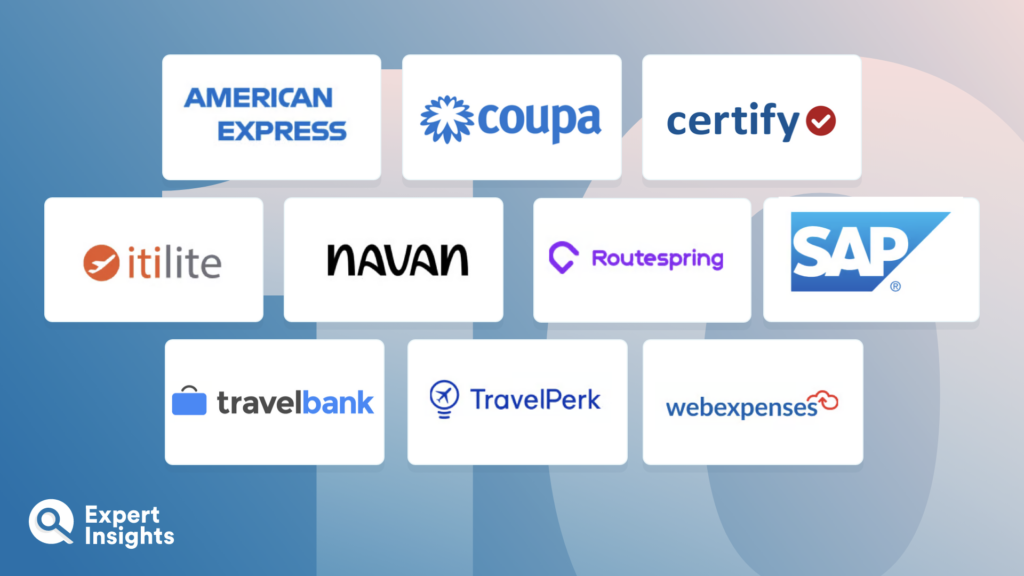
In conclusion, corporate travel platforms have become essential tools for modern businesses, offering significant efficiency gains and cost savings. Their features, ranging from streamlined booking to automated expense reporting, provide substantial benefits. However, implementing these platforms requires careful consideration of potential challenges, including security risks and user adoption. The future of these platforms looks promising, with emerging technologies like AI and automation poised to further enhance their capabilities and contribute to more personalized travel experiences. Choosing the right platform that aligns with specific business needs and implementing robust security measures are crucial steps toward a successful deployment.